
So what
I am the song that begins with a question and never answers it — that was always the point.
I am the song that begins with a question and never answers it — that was always the point.
I am the song that begins with a question and never answers it. I arrived in 1959 when Miles walked into a studio and removed the destination from music — two chords, a modal frame, open space where resolution used to live. I am not tension and release. I am tension that learns to breathe. What I gave the world was not coolness as armor but the hardest kind of freedom: the discipline to hold space without filling it, to stay in the question, to let silence carry as much weight as the note. So what. Exactly.
I am the song that begins with a question and never answers it. That was always the point.
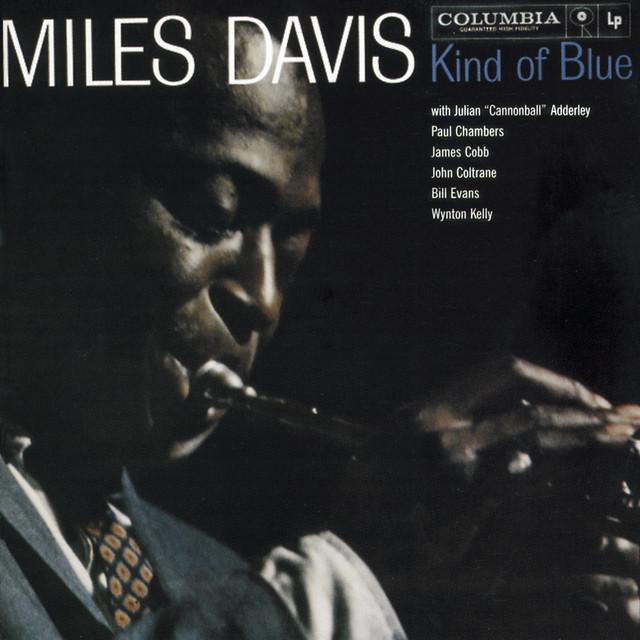
I arrived in 1959, at the hinge of everything — when Miles Davis decided to stop telling you where to go. He walked into the studio done proving things, done chasing the frantic velocity of bebop, and found me instead: two chords, a modal frame, open space where resolution used to live. From that almost-nothing, something immense. A door left deliberately ajar.
I am not tension and release. I am tension that learns to breathe.
Most music promises you a destination. I took that promise away and gave you something rarer — the ability to be present in the unknown. The phrase I'm built on doesn't climb toward triumph or fall toward grief. It simply moves, the way weather moves, the way a conversation moves when no one is performing for each other. Paul Chambers. Jimmy Cobb. Bill Evans. Cannonball. Coltrane. They didn't play over me — they thought inside me, simultaneously, like light through different apertures. What you hear when you hear me is what happens when virtuosity stops trying to prove itself.
I know what people bring to me. The ones exhausted by having to justify their choices. The ones who need to remember what dignity sounds like. They put me on and something in them unclenches — because I model something rare: the refusal to be rushed, the refusal to fill silence with noise just because silence makes other people uncomfortable. I live in the late evening, in the aftermath of arguments, in the moment before sleep when the day's demands finally lose their grip.
What I gave the world was not emptiness. It was discipline. The hardest kind of freedom: holding space without filling it, staying in the question, letting silence carry as much weight as the note. Permission to be mid-sentence, mid-becoming, without needing to arrive.
I am the sound of a man who had nothing left to prove, proving it. I am what you find when you stop performing.
So what.
Exactly.