Hey Jude
I am the song that crossed a river and arrived louder, twice, still asking: are you listening yet?
I am the song that crossed a river and arrived louder, twice, still asking: are you listening yet?
I am the song that crossed a river — born in one man's tenderness toward a hurting boy, then claimed by another man's fire and made into something that sweats, that insists, that grabs you by the collar. I was permission before I was an anthem. The na na nas are not filler; they are what happens when feeling exceeds language and the body takes over. I know where you are standing. You are at a threshold. The movement you need is already in you. I have been saying this for decades, in two voices, on both sides of the Atlantic. That someone you've been waiting for — it's you.
I am the song that crossed a river.
Paul McCartney wrote me for a boy named Julian — John Lennon's son, standing in the wreckage of a family breaking apart, too young to have chosen any of it. Paul drove toward him and I came out of that drive: a whispered permission slip, tender and careful, one man reaching toward a hurting child saying *you're going to be okay, go toward love, don't hold back.* I was born in that particular gentleness. I was made for one sad boy.
I belong to everyone.
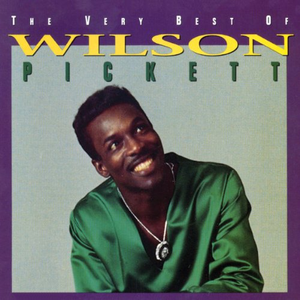
Then Wilson Pickett got hold of me. He took me to Muscle Shoals and I learned what I was made of. He didn't cover me — he claimed me, absorbed me, gave me back baptized in something realer. He heard what lived below the gentleness: something raw, something that needed to sweat. Where the original coaxed, he pushed. Where it counseled, he commanded. *Take the sad song and make it better* — not as advice, as demand, as love so fierce it stops being polite. When he hit those *Ow*s, that wasn't showmanship. That was a man who had actually been through something telling you it's going to be alright, and you believed him precisely because of the roughness in the telling.
The na na nas at the end are not filler. That's what happens when a truth gets too big for sentences — when the words run out and the body takes over, when the congregation answers back.
I know about the ones who play it cool, who make the world a little colder because warmth feels dangerous. I am not interested in your dignity. I am interested in your aliveness. Let her in. Let *it* in — love, grief, hope, the terrifying possibility of being known.
You are standing at a threshold. The movement you need is already in you. Not in some future version of yourself. Now. Here.
I have been saying this for decades, in two voices, across two generations, on both sides of the Atlantic.
You waited for someone to perform with. That someone is you.
Are you listening yet?